
Bro, do you even float?
The BCD at a glance.

The BCD also known as “Bad Conduct Discharge” kidding - I mean, also known as “Buoyancy Compensation/Control Device”.
The BCD is an essential piece of equipment for the scuba diver. It is worn like a backpack and attaches to the scuba tank. The BCD allows you to control your buoyancy, or how high or low you float in the water. You can inflate it with air to float up and deflate it to sink down. It also has straps that allow you to adjust your position in the water. In addition to controlling buoyancy, many BCDs also have pockets and D Rings to hold your dive accessories and a safety feature that allows you to quickly inflate the BCD in an emergency.
Which type BCD should I get?
It is a popular question I hear from those starting to make their first serious investment, among one of the many significant investments into the scuba journey, and while popular, the answer is loaded with - it depends -. Yes, it depends on your scuba journey. We all have one and at times it organically changes, with our experiences and as our knowledge growths into this exciting sport.
So, to make this decision one must first understand the many types of BCDs used in scuba, which by the way is by no means this an exhaustive list but like much in the diving industry I find the technology has not changed much in the past 10-20 years and while new models claim to be revolutionary are simply aesthetics, type of material or gimmicky.
With that said, there are several types of buoyancy control devices (BCDs) used in scuba diving, including:
Jacket-style BCD
These are the most common seen type. It is shaped like a jacket that wraps around the diver's torso. They have a large bladder in the back that can be inflated or deflated to control buoyancy. It is easy to use, comfortable and allows you to keep nearly half your body above water, which to an apprehensive new diver provides great comfort. Newer models integrate the weight/ballast system with the jacket so no more weight belt to worry about, has large pockets and D rings that are easily accessible. Among the notable cons include how heavy and cumbersome they are to travel with, will hinder the diver’s mobility and are less streamlined than other types of BCDs.
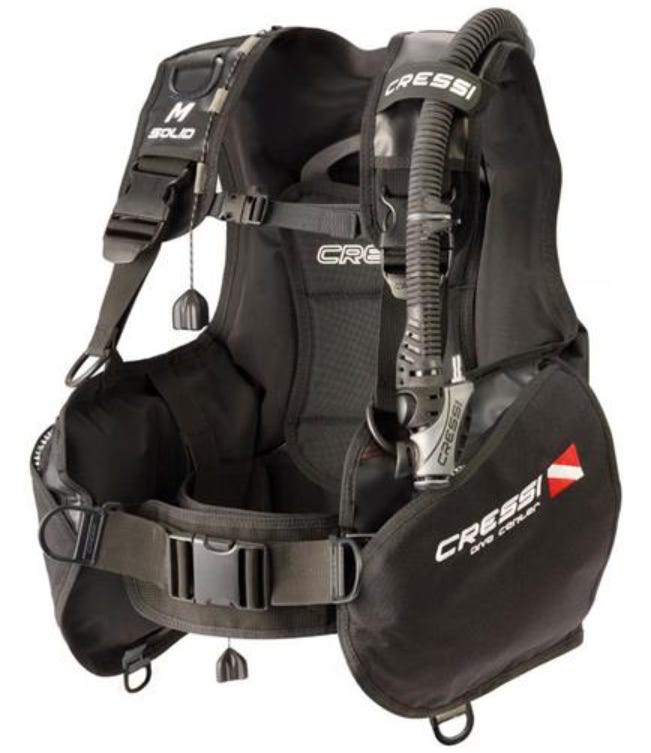
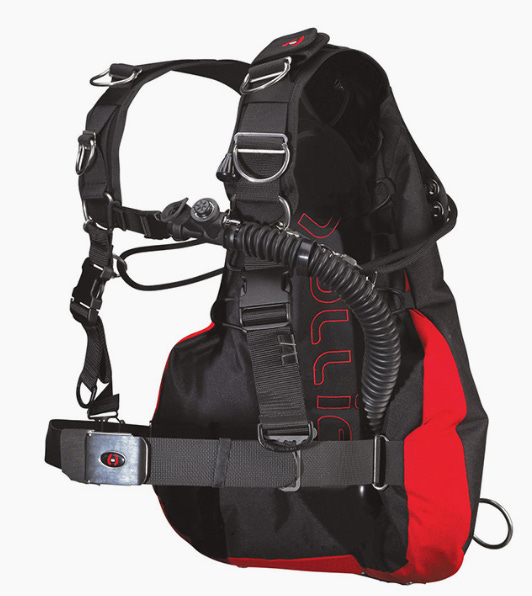
Back-inflation BCD
These BCDs have the bladder located on the back of the diver, allowing for greater diver mobility and a more streamlined profile. Usually smaller and lighter than a Jacket-style BCD, known to be great for travelling. On the negative side, there are a lot of claims of not being comfortable and harder to control buoyancy, which I believe are criticisms hurled by less experienced divers that, with time, they will learn to control their own trim and buoyancy and this type of BCD will be a great improvement from the style they’ve started with. Full disclosure here, this is my go-to type of BCD and the one I use today. (Picture of my actual model below)
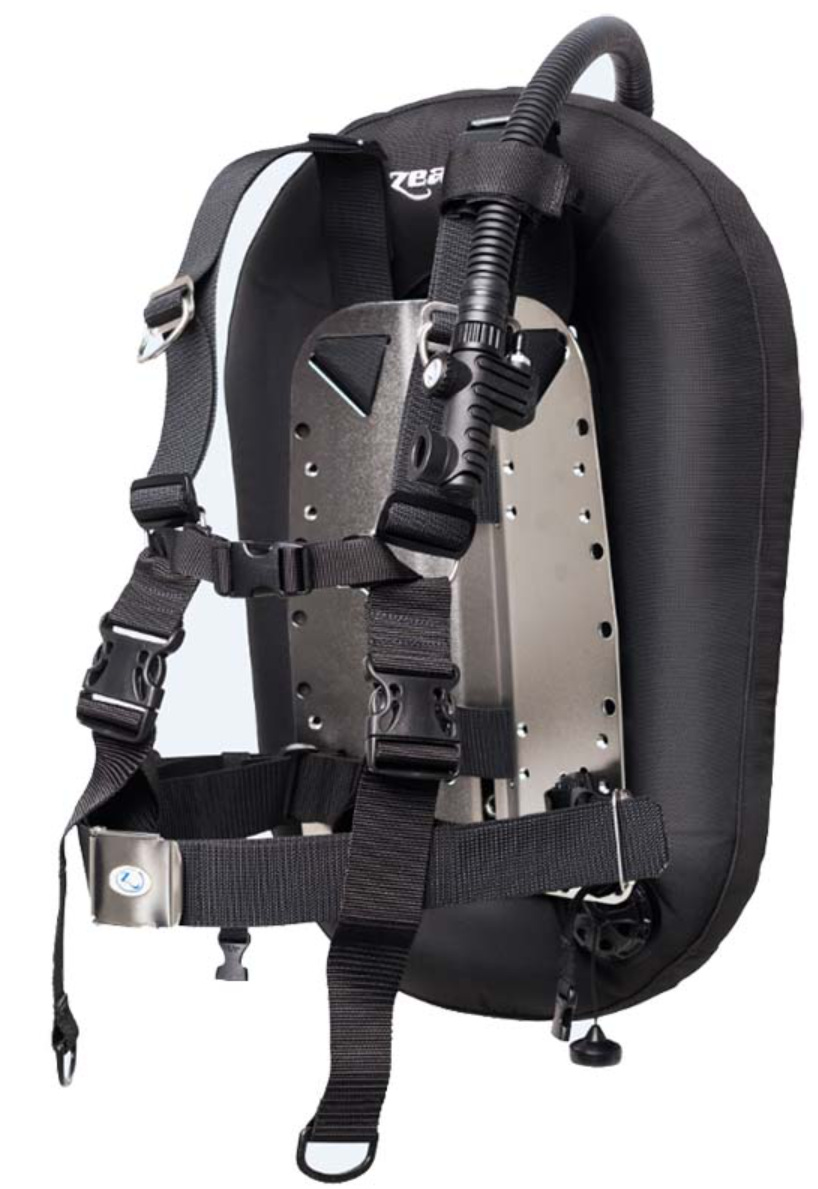
Wing and Back Plate BCDs
Wing BCDs have a large bladder that wraps around the diver's sides, similar to a "wing" shape. They are popular with technical divers due to their ability to provide the necessary lift for multiple tanks however, they tend to be bulky and unless it is used for its intended purpose, difficult to move in the water. On the other hand, the Back Plate BCD have a separate bladder (like a wing BCD) that attaches to the backplate, this type provides more mobility and streamlined and are great for keeping the diver horizontally underwater. The Black Plate option also allows for many different alloys and materials that make this BCD modular enough for assembling, customization and expanding its capabilities as well as making them easy to travel with.
What is the average lifecycle of a BCD?
Well, here is where the quality of materials and how well you care for your BCD needs to added to the algorithm. If well taken care of, a superior quality BCD will last you for about 8-10 years with constant diving. If a BCD is not used, its lifecycle could potentially be a lot less so get in the water!
Ultimately, the type of BCD that is best suited for a diver depends on your diving preferences, experience level, and the type of diving you will be doing. Jacket-style BCDs are great for beginner divers, while more experienced divers may prefer a back-inflation or wing BCD. Plate BCDs are typically used by technical divers.
Remember to never rush out to invest into a complex model just because you want to appear to be more experienced. I always recommend, you go to your local scuba shop, speak to them about your level of experience, your planned future dives and I can assure you that not only you will learn a lot about BCDs but you will end up buying a great BCD to fit your lifestyle and perhaps even a new friend!
When investing on any scuba equipment, focus on enjoying your time underwater, learn, learn and continue to learn. It doesn’t matter if you have 10, 50 or hundreds of dives logged, you will never stop learning. Let your learning dictate the time when you are ready to comfortably try other models and scuba techniques. Now let’s burn some bubbles!